
A Handful Of Head-To-Toe Nutrition
Hair & Nails
Zinc, copper, and other nutrients your body uses in normal, everyday cellular upkeep.
Digestion
Fiber that supports normal digestive function — and feeds the friendly microbes in your gut.
Blood
Copper and iron — nutrients your body uses to help carry oxygen through the blood.

Eyes
Vitamin E, zinc, and antioxidant compounds that support the normal upkeep of healthy vision.
Skin
Vitamin E and zinc — nutrients that support normal, healthy skin — plus all the good fats.
Bones
Manganese, phosphorus, magnesium, and copper — minerals for the normal upkeep of strong bones.
Real wellness isn't a cleanse or a miracle powder. It's the rich, buttery handful you reach for, day after day.

Everyday nutrition, not a fad
Real wellness isn't a ten-day cleanse or a scoop of powder. It's the small, good choices you actually repeat. A handful of pecans is one of the easiest ones to make: whole-food fats, fiber, vitamin E, and a mineral lineup of manganese, copper, magnesium, and zinc — the quiet nutrients your body puts to work every single day.

From your skin to your bones
The same nutrients that make pecans a great snack quietly support you head to toe: vitamin E and zinc for normal, healthy skin; fiber for normal digestion; and manganese and magnesium among the minerals your body uses to keep bones strong. One simple food, a whole lot of everyday upkeep — no regimen required.

The rare snack that tastes like a treat
Ounce for ounce, pecans are among the most antioxidant-rich tree nuts there are — the flavonoids and vitamin E that help your body handle everyday oxidative stress. And they pull it off while tasting rich, buttery, and nothing at all like “eating healthy.” That's the whole idea: good for you, and genuinely good.
Antioxidant-rich, everyday goodness
Ounce for ounce, pecans carry more antioxidants than any other tree nut — the vitamin E and flavonoids that help your body handle everyday oxidative stress, wrapped in a snack that tastes like a treat.
Shop Texas pecansGrown clean, and it tastes like it
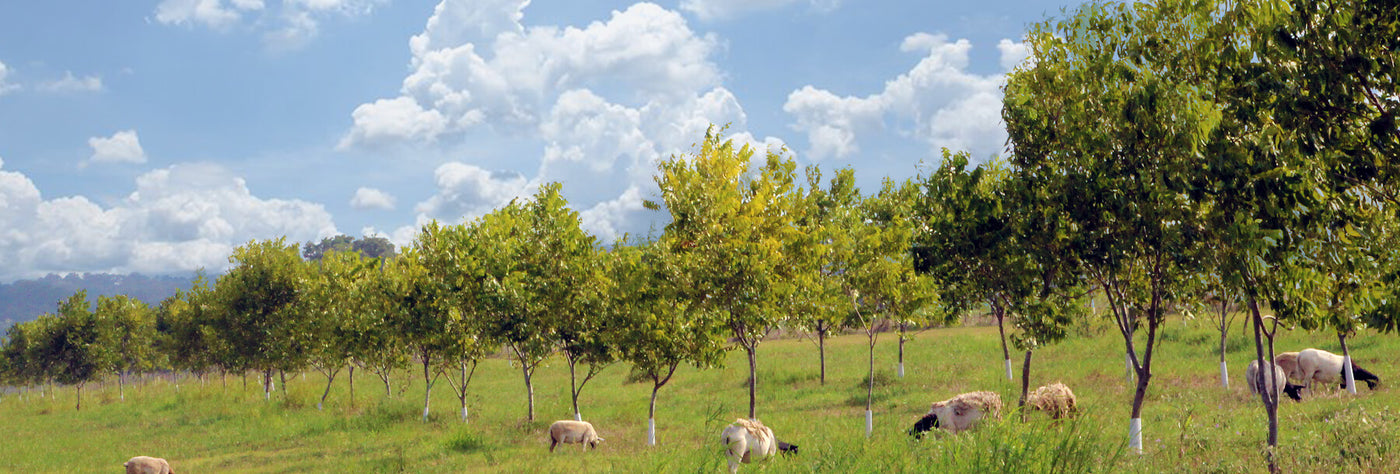
Our pecans are grown right here in Bastrop — without synthetic pesticides, without glyphosate, with sheep instead of mowers. Picked, packed, and shipped by our family. See how we grow →
Straight From Our Bastrop Family
No warehouse shelves, no middlemen — just fresh pecans, packed by our family and shipped to your door.


Frequently Asked Questions
Are pecans good for your skin?
Are pecans good for your skin?
Pecans bring vitamin E, zinc, and good fats — nutrients that support normal, healthy skin as part of a nutrient-rich diet.
Do pecans help hair and nails?
Do pecans help hair and nails?
No food is a guaranteed treatment, but pecans supply zinc, copper, and other nutrients your body uses in normal, everyday cellular upkeep.
How do pecans support digestion?
How do pecans support digestion?
Pecans provide dietary fiber, which supports normal digestive function and helps feed the beneficial microbes in your gut.
Which minerals in pecans support bones?
Which minerals in pecans support bones?
Manganese, phosphorus, magnesium, and copper — and pecans are an especially good source of manganese.
What minerals are in pecans?
What minerals are in pecans?
Plenty — manganese and copper especially, plus magnesium, phosphorus, and zinc. A whole mineral toolkit in one buttery nut.