
A Handful Of Brain-Smart Nutrition
Focus
Good fats and low carbs give slow-burn energy for staying sharp — without the sugar crash.
Vitamin E
An antioxidant nutrient that helps your cells stand up to everyday oxidative stress.
Good Fats
Your brain is largely fat — pecans deliver it in its best form, with zero cholesterol.

Nervous System
Copper and magnesium — minerals your body uses for normal nerve and muscle function.
Antioxidants
Flavonoids and vitamin E, among the highest of any tree nut, for everyday defense.
Steady Fuel
Low in carbs and rich in good fats, for calm, all-day energy instead of spikes.
Your brain doesn't run on gummies or gimmicks. It runs on real food, one rich handful at a time.

Your brain is a fuel-hungry machine
It's only about two percent of your body weight, yet it burns roughly a fifth of your daily energy — and it's built largely from fat. That's why what you feed it matters. Pecans deliver good unsaturated fats, the kind your cell membranes are made of, plus vitamin E and antioxidants, in a rich and satisfying handful that fuels the one organ that never clocks out.

Steady energy beats a sugar rush
Sugary snacks spike your blood sugar and then drop it — and your focus goes right along for the ride. Pecans work differently. Low in carbs and rich in good fats and fiber, they release energy slow and steady, so a handful in the afternoon carries you through the 3 o'clock slump without the crash that follows a candy bar.

Real food beats a supplement shelf
You could chase brain nutrition through a cabinet full of pills and powders — or you could just eat a pecan. It shows up with its good fats, vitamin E, and minerals already packaged the way nature intended, no synthetic anything. Whole food your body recognizes, in a form you'll genuinely look forward to.
Good fats your brain is built on
Your brain is nearly two-thirds fat, and it runs best on the good kind. Pecans are about 90% unsaturated fat, with vitamin E and antioxidants along for the ride — a rich, satisfying way to feed the organ that does everything.
Shop Texas pecansGrown clean, and it tastes like it
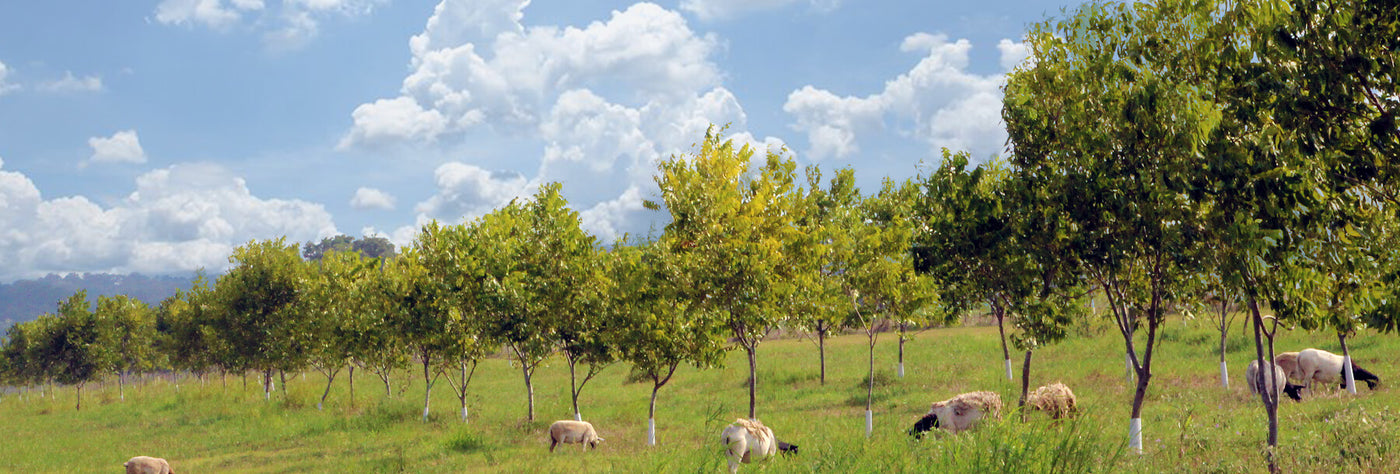
Our pecans are grown right here in Bastrop — without synthetic pesticides, without glyphosate, with sheep instead of mowers. Picked, packed, and shipped by our family. See how we grow →
Fuel Up, Fresh From Bastrop
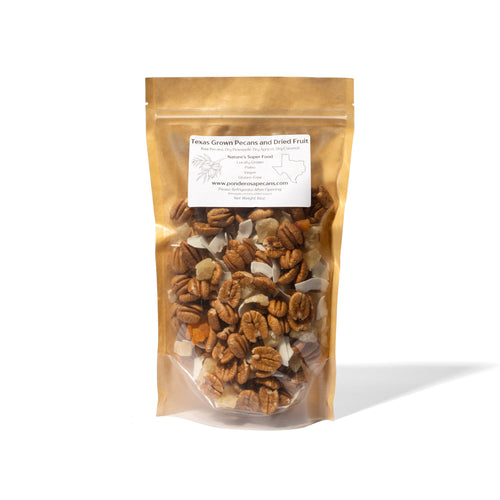
No warehouse shelves, no middlemen — just fresh pecans, packed by our family and shipped to your door.


Frequently Asked Questions
Are pecans a good brain-food snack?
Are pecans a good brain-food snack?
Wonderfully so. Pecans bring good fats, vitamin E, antioxidants, copper, and magnesium, plus steady no-crash energy and a taste you'll look forward to.
Do pecans have vitamin E?
Do pecans have vitamin E?
Yes — pecans are a good source of vitamin E, an antioxidant nutrient, along with other antioxidant plant compounds.
Can pecans help with steady energy and focus?
Can pecans help with steady energy and focus?
Their mix of good fats, fiber, and low carbs makes pecans a slow-burn snack — steady fuel instead of the spike-and-crash of sugary foods.
Do pecans support the nervous system?
Do pecans support the nervous system?
Pecans provide copper and magnesium — minerals your body uses for normal nerve and muscle function.
Where do your pecans come from?
Where do your pecans come from?
We grow pecans on our own trees at 540 Ponderosa Rd, Bastrop, Texas, and pack and ship them straight from the farm.