
A Handful Of Heart-Smart Nutrition
Good Fats
About 90% of a pecan's fat is unsaturated — the good kind — with zero cholesterol.
Fiber
Supports normal digestion and rounds out a heart-smart, balanced diet.
Magnesium
An electrolyte mineral your body uses for normal muscle and nerve function.

Antioxidants
Flavonoids and vitamin E, among the highest of any tree nut, for everyday defense.
Potassium
An electrolyte that works within the body's normal fluid and mineral balance.
Copper
Helps your body put iron to work carrying oxygen through the blood.
Most heart-healthy foods taste like a compromise. Pecans don't.

The good fat your heart actually wants
Around 90% of the fat in a pecan is unsaturated — the same good fat celebrated in olive oil and avocados — and it's naturally cholesterol-free. Rich, buttery, and deeply satisfying, it's the kind of fat that makes eating well feel like a reward instead of a rule. A handful delivers it in the most enjoyable form there is.

Even dessert starts with a good nut
Pecan pie, pralines, fudge, a square of chocolate-pecan bark — America's most beloved treats all begin with the same rich, heart-smart nut. So when you do reach for something sweet, the foundation is good fats, fiber, and antioxidants rather than empty filler. Indulgence simply tastes better when it starts with a pecan.

Naturally plant-powered, naturally cholesterol-free
Like every food that grows on a plant, pecans carry zero cholesterol — the richness comes entirely from their good fats. That makes them an easy, satisfying anchor for the kind of plant-forward, colorful plate a healthy heart loves. Toss them on a salad, a grain bowl, or roasted veg for instant richness, with no compromise.
Buttery richness, from the good fats
Around 90% of the fat in a pecan is the unsaturated kind — the same good fat that made olive oil and avocados famous. No cholesterol, no trans fat, none of the junk. Just the rich, satisfying fat your body actually wants.
Shop Texas pecansGrown clean, and it tastes like it
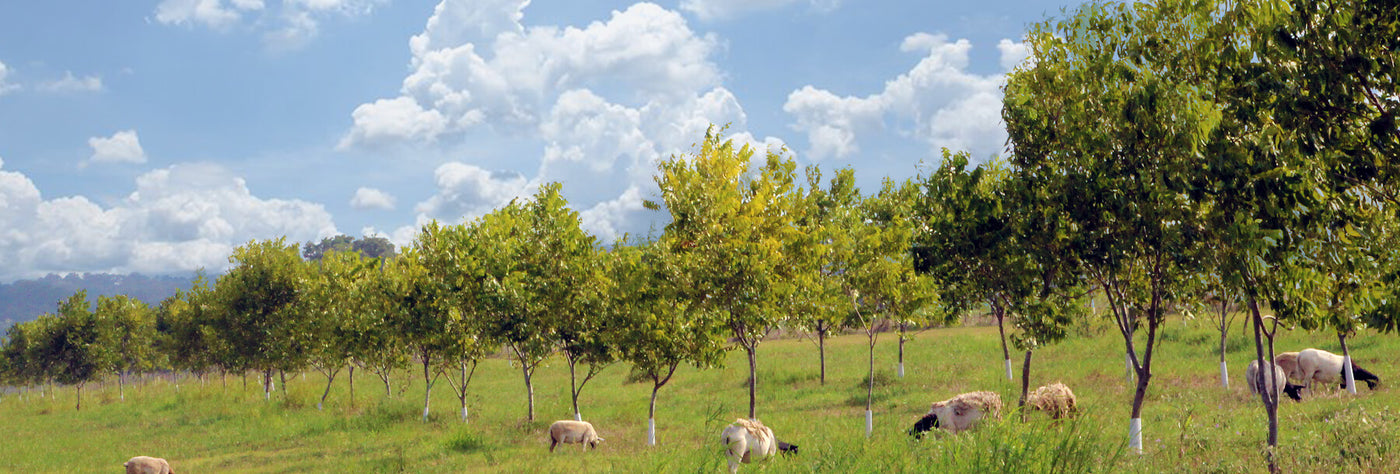
Our pecans are grown right here in Bastrop — without synthetic pesticides, without glyphosate, with sheep instead of mowers. Picked, packed, and shipped by our family. See how we grow →
Treat Your Heart, Fresh From Bastrop
No warehouse shelves, no middlemen — just fresh pecans, packed by our family and shipped to your door.


Frequently Asked Questions
Are pecans good for your heart?
Are pecans good for your heart?
Pecans are one of the most heart-smart snacks around: rich in good monounsaturated fats, naturally cholesterol-free, and loaded with antioxidants, fiber, and minerals — a delicious part of a balanced diet.
How much is a heart-smart serving?
How much is a heart-smart serving?
About 25 to 30 halves — a third of a cup, or 1.5 ounces. A genuinely satisfying handful, and about a bag a month if you enjoy one most days.
Do pecans have cholesterol?
Do pecans have cholesterol?
None at all. Like every plant food, pecans are naturally cholesterol-free — the richness comes entirely from the good fats.
What makes pecans so high in antioxidants?
What makes pecans so high in antioxidants?
They're naturally rich in flavonoids and vitamin E, and ounce for ounce rank among the highest of all tree nuts for antioxidants.
Where do your pecans come from?
Where do your pecans come from?
We grow pecans on our own trees at 540 Ponderosa Rd, Bastrop, Texas, and pack and ship them straight from the farm — no middleman, no warehouse shelf.