
What's Actually In A Pecan
Good Fats
About 90% unsaturated — the good kind — with zero cholesterol.
Fiber
Nearly 3 grams per ounce, supporting normal digestion.
Antioxidants
Among the most of any tree nut — flavonoids and vitamin E.

Minerals
Standout manganese and copper, plus zinc and magnesium.
Vitamin E
An antioxidant nutrient in every buttery handful.
Low Sugar
Just 1 gram of natural sugar, and none of it added.
A pecan looks simple. Inside, there's a whole lot going on.

The good fats, in great company
That buttery richness comes from the same good fats celebrated in foods like olive oil and avocados — the kind that make a small handful genuinely satisfying. It's why the FDA counts whole tree nuts like ours as part of a healthy diet. Indulgent and wholesome, at the very same time.
What's in a one-ounce handful
About 19 pecan halves — the full breakdown at a glance.

Quietly high in fiber
There's more to a pecan than good fats. Each one-ounce handful brings close to 3 grams of dietary fiber — the kind that supports normal digestion and helps a small serving feel genuinely filling. It's a big part of why pecans are satisfying enough to snack on all on their own, no chaser required.
Superfood, the way nature made it
Long before the word existed, the pecan was already doing superfood things — good fats, antioxidants, fiber, and minerals in one whole, unprocessed nut. Ours come fresh off the tree in Bastrop, the real thing exactly as it grew.
Shop Texas pecansGrown clean, and it tastes like it
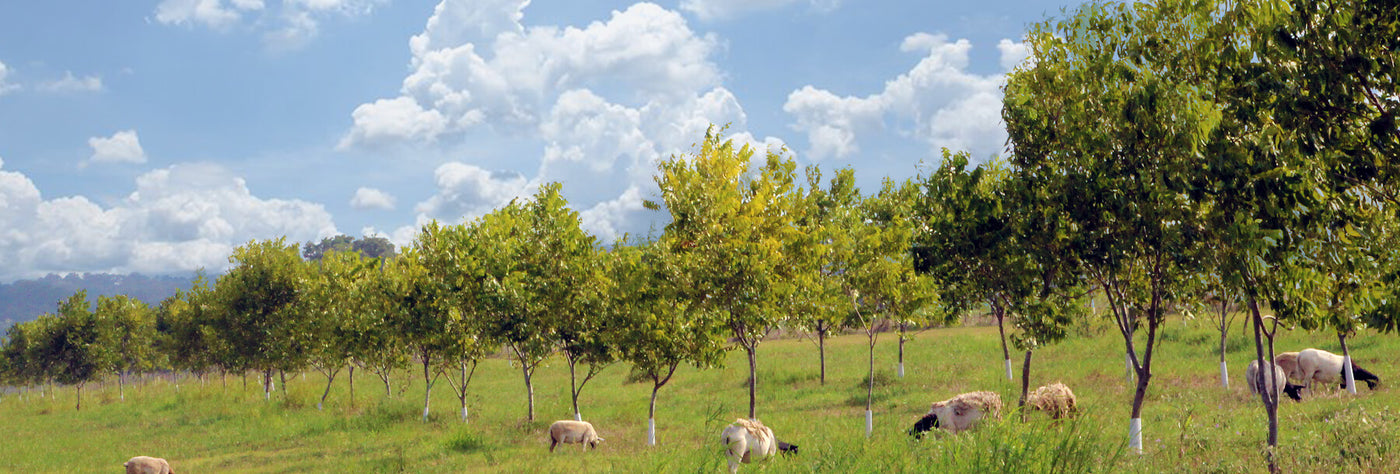
Our pecans are grown right here in Bastrop — without synthetic pesticides, without glyphosate, with sheep instead of mowers. Picked, packed, and shipped by our family. See how we grow →
Taste The Difference, Fresh From Bastrop
No warehouse shelves, no middlemen — just fresh pecans, packed by our family and shipped to your door.


Frequently Asked Questions
Are pecans a superfood?
Are pecans a superfood?
Absolutely. Pecans are a whole food loaded with antioxidants — among the most of any tree nut — plus fiber, good fats, and a range of minerals. If any nut earns the name, it's this one.
Are pecans keto, paleo, vegan, and gluten-free?
Are pecans keto, paleo, vegan, and gluten-free?
All four. Pecans are naturally low-carb (keto), a whole unprocessed tree nut (paleo), entirely plant-based (vegan), and grain-free (gluten-free) — one of the easiest foods to fit into almost any way of eating.
How many calories are in pecans?
How many calories are in pecans?
About 200 in a satisfying one-ounce handful (roughly 19 halves) — mostly from the good fats that make them so filling.
Are raw or roasted pecans better?
Are raw or roasted pecans better?
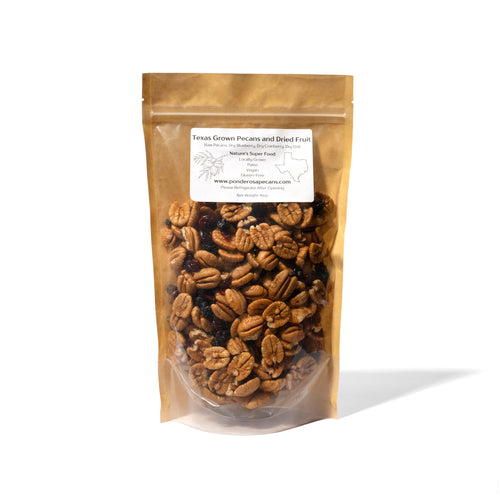
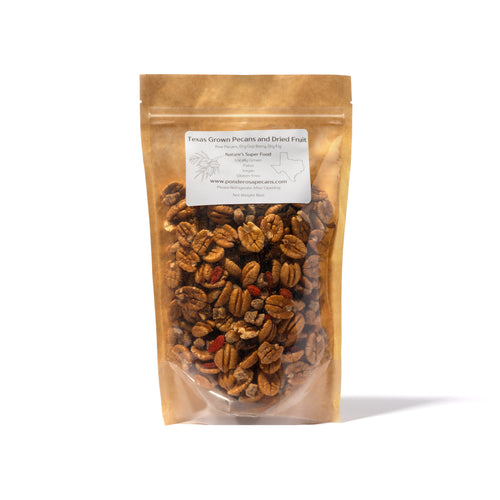
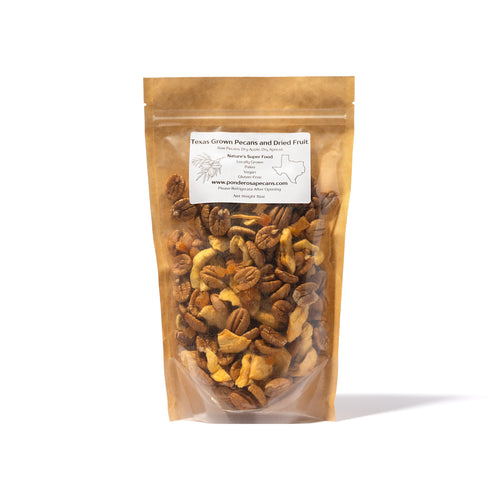
Both are delicious. Raw keeps everything just as it came off the tree; roasting deepens the flavor. We sell ours raw and fresh, straight from the orchard.
How should I store them?
How should I store them?
Keep them sealed in the fridge or freezer and they'll stay fresh for months — though a good bag rarely lasts that long.